Source handheld electric guitar wireless microphone transmitter and receiver for Music, Recording, and Live Performance
Find a range of 30 handheld electric guitar wireless microphone transmitter and receiver options for music, recording, and live performance. Buyers can compare models like AR-01 and GT-X4, featuring 2.4G transmission and OEM customization.
Key considerations
Products List


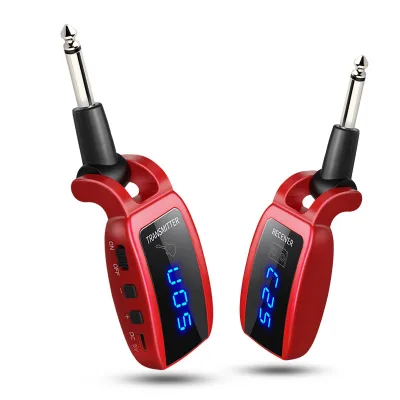
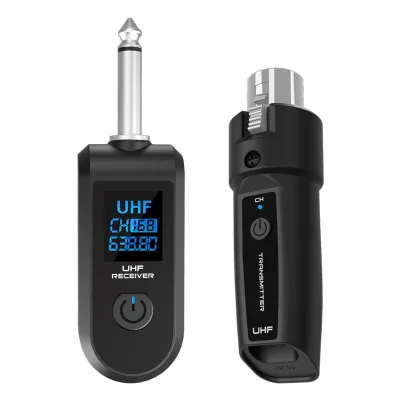
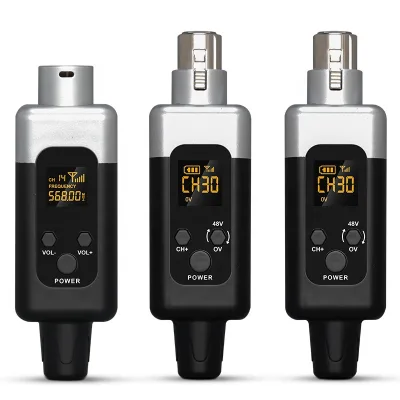
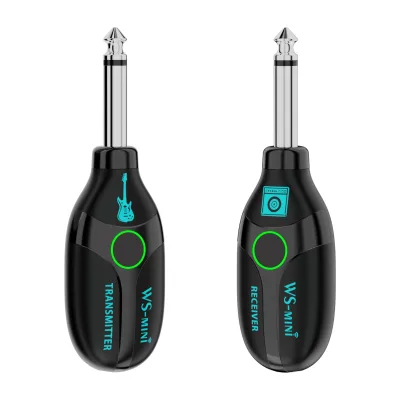
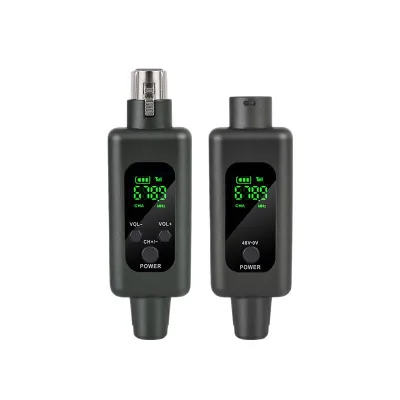
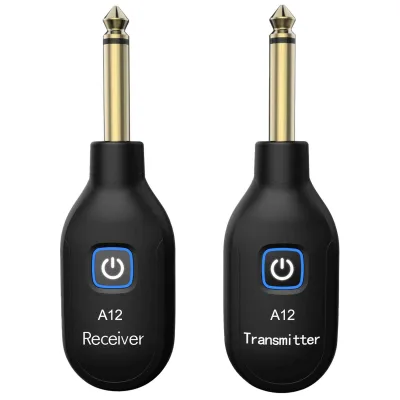
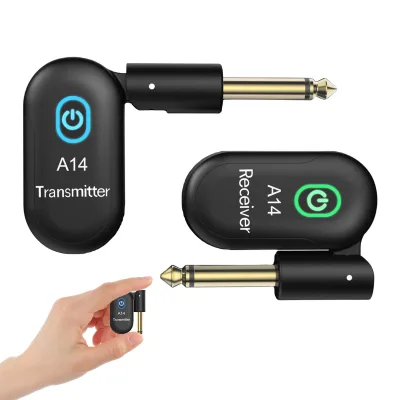
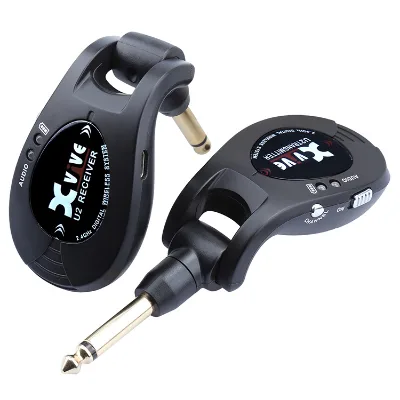
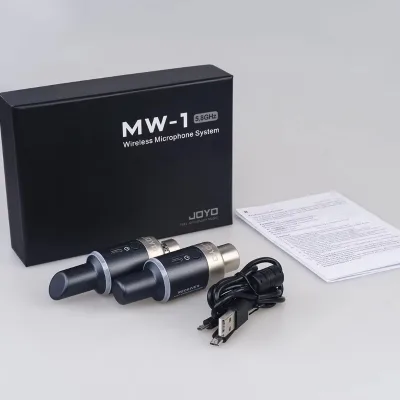
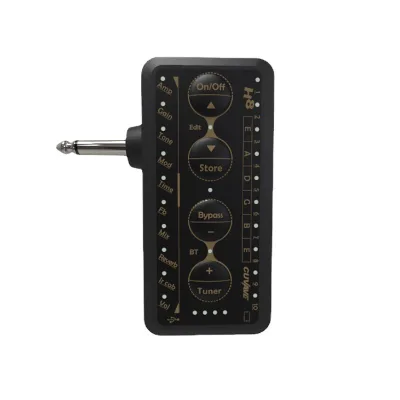


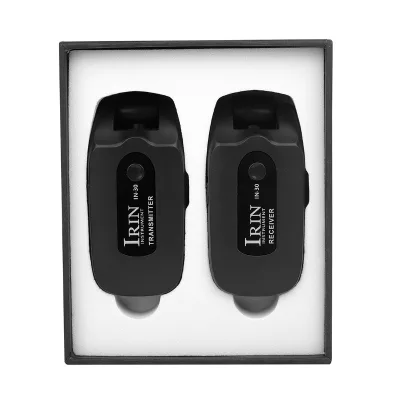
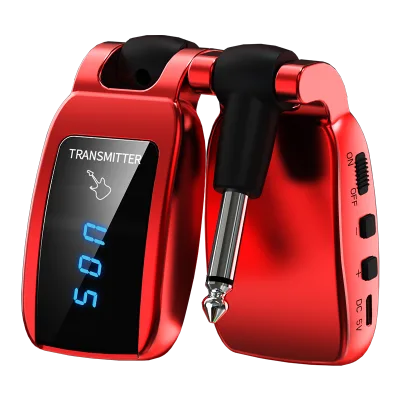


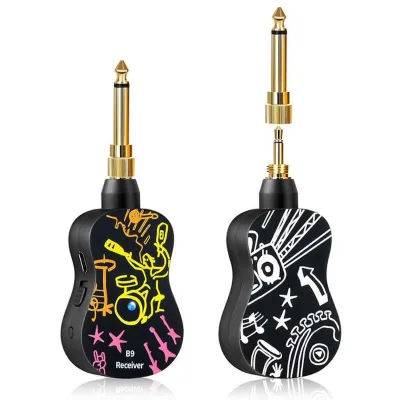
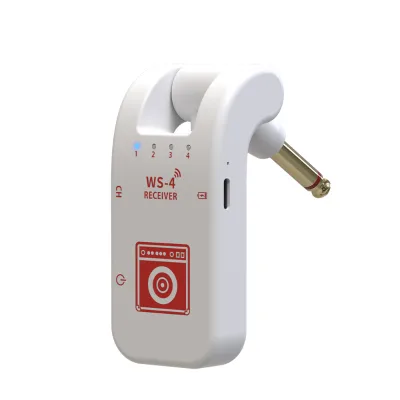
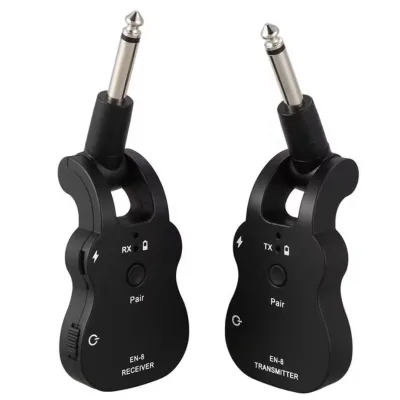
Comprehensive Sourcing Guide
Strategic Sourcing Guide for Handheld Electric Guitar Wireless Microphone Transmitter and Receiver Systems
Understanding the Core Product Architecture and Technical Specifications
When sourcing handheld electric guitar wireless microphone transmitter and receiver systems, buyers must first distinguish between the specific functional components within the supply chain. The core keyword often refers to a complete system comprising a transmitter unit attached to the instrument and a receiver unit connected to the amplification or recording chain. Based on observed market data, these systems are frequently categorized under specific model numbers such as AR-01, 2.4G, B2, GT-X4, U12DX, V-VIC077, and MM-157. The material composition of these devices is predominantly plastic, though high-end or durable variants may incorporate a combination of plastics and metal to ensure structural integrity during live performance.
The transmission technology is a critical differentiator. The majority of available units operate on the 2.4 GHz frequency band, which offers a balance between range and interference resistance in crowded RF environments. The signal transmission method is explicitly wireless, utilizing a mono sound channel configuration. This mono setup is standard for guitar signal transmission where stereo imaging is less critical than signal clarity and latency. The connector interface is often proprietary, designed to fit specific guitar jacks or microphone inputs, which necessitates careful verification of compatibility with the buyer's existing equipment. The transducer principle for the microphone component, where applicable, is typically condenser-based, offering sensitivity suitable for acoustic and electric guitar applications.
The output impedance of these systems generally falls within the 50-1000Ω range, a specification that ensures proper signal matching with various amplifiers and mixing consoles. The sound field force is described as a combined type, suggesting a design that integrates both the transmitter and receiver functions into a cohesive acoustic or electronic field. Buyers should note that while the style is often marketed as "2.4G Hz," the physical form factor can vary from compact single-unit designs to split transmitter/receiver pairs. The packaging is consistently listed as carton or cardboard box, indicating standard industrial shipping methods that require appropriate handling to prevent damage during transit.
Compliance, Certification, and Standard Verification Protocols
In the B2B procurement of electronic audio equipment, compliance is not merely a formality but a prerequisite for market entry and liability protection. The supplied product data indicates that these systems are designed to meet standards for acoustic guitars, classical guitars, and electric guitars. However, "standard" in this context often refers to the intended application environment rather than a specific international safety certification like CE or FCC. Buyers must explicitly verify that the manufacturer holds valid electromagnetic compatibility (EMC) and radio frequency (RF) certifications for the target export markets.
The origin of these products is primarily China, with specific manufacturing hubs noted in Guangzhou and Enping, both located in the Guangdong province. While these regions are known for electronics manufacturing, the presence of a location does not guarantee compliance with international safety standards. Procurement teams must request documentation proving that the specific model numbers, such as GT-X4 or U12DX, have undergone rigorous testing for radio frequency interference and electrical safety. The "Standard" attribute listed as "Wireless receiver" or "Acoustic guitar" in product descriptions should be treated as a usage classification rather than a regulatory certificate.
Furthermore, the product attributes mention "OEM or ODM Are Welcome," which implies that the manufacturing process is flexible. This flexibility allows for customization but also introduces variability in quality control. Buyers should ensure that any customizations, such as logo placement or color variations (Black, Red, Black-1, Black-2), do not compromise the internal shielding or antenna performance required for RF compliance. The "Excellent" quality attribute observed in some listings is a subjective claim and must be validated through third-party testing reports rather than accepted as a fact. Without specific certification data provided in the source material, the buyer's due diligence must include a request for test reports from accredited laboratories to confirm adherence to local and international regulations.
Cost Drivers and Pricing Dynamics in the Wireless Audio Market
The pricing landscape for handheld electric guitar wireless systems is highly variable, with observed listed prices ranging from $4.50 to $800.00 USD. This wide disparity is driven by several key factors, including the complexity of the RF circuitry, the quality of materials used, and the level of customization required. The lower end of the price spectrum, around $4.50 to $20.00, typically corresponds to basic plastic units with standard 2.4 GHz transmission and minimal features. These units often rely on generic components and may have shorter battery life or reduced range.
Conversely, the higher price points, approaching $800.00, suggest systems with advanced features such as digital signal processing, extended frequency ranges, robust metal construction, and professional-grade durability. The "Durable Lightweight" and "Stable" features mentioned in product attributes are likely associated with the higher-cost segments. The material composition plays a significant role in cost; units utilizing a mix of plastics and metal will inherently cost more than those made solely of plastic due to material costs and manufacturing complexity.
The Minimum Order Quantity (MOQ) is another critical cost driver, with observed ranges spanning from 1 to 500 units. Buyers seeking small quantities can often source single items or small batches, but the unit cost will be higher. For large-scale procurement, the ability to negotiate MOQs down to 1 unit for prototyping or up to 500 units for mass production allows for strategic inventory management. The "Stock" lead time indicates that many suppliers maintain inventory, which can reduce costs associated with long production runs but may limit customization options. Buyers must balance the trade-off between unit price, MOQ, and the urgency of delivery when making procurement decisions.
Typical Applications and Usage Scenarios
The versatility of these wireless systems extends beyond simple live performance. The application data indicates usage in meetings, voice recording, music production, and general music player scenarios. This broad applicability suggests that the technology is adaptable to various acoustic environments. For guitar lovers and professional musicians, the primary use case is eliminating cable clutter on stage, allowing for greater mobility and freedom of movement. The "Guitar Usage" and "Guitar Lover" attributes confirm that the core design intent is to serve the needs of string instrument players.
In a professional setting, the "Meeting" and "Voice" applications highlight the system's utility in conference scenarios or educational settings where a guitarist might also need to speak. The "Condenser Microphone" transducer principle supports high-fidelity audio capture, making these systems suitable for recording studios where signal clarity is paramount. The "Omni-direction" directivity of the microphone component ensures that sound is captured evenly from all angles, which is beneficial for ambient recording or live performances where the performer moves around the stage.
The "Combined Type" sound field force suggests that these systems are designed to integrate seamlessly into a musician's setup, whether for a solo act or a full band. The "Stable" feature is particularly crucial for live applications where signal dropouts can disrupt a performance. Buyers should consider the specific environment in which the equipment will be used; for instance, a high-interference venue may require a system with advanced frequency hopping capabilities, while a studio setting may prioritize low latency and high dynamic range. The "Wholesale" service attribute indicates that these products are available for bulk distribution to retailers or rental companies, further expanding their application scope.
Supplier Evaluation and Customization Capabilities
Evaluating suppliers for wireless guitar systems requires a deep dive into their customization capabilities and service models. The data confirms that OEM (Original Equipment Manufacturer) and ODM (Original Design Manufacturer) services are widely available, with "OEM or ODM Are Welcome" explicitly stated. This flexibility allows buyers to brand the products with their own logos, as "Accept Customized Logo" is a standard offering. The ability to customize the product is a significant advantage for companies looking to build a private label brand.
However, the presence of OEM/ODM services does not guarantee uniform quality across all suppliers. Buyers must assess the supplier's capacity to maintain consistency during customization. The "Service: Wholesale" attribute suggests that suppliers are equipped to handle large orders, but the "Selling Units: Single item" option indicates that they also cater to smaller buyers. This dual capability can be a double-edged sword; while it offers flexibility, it may also imply that the supplier is a trading company rather than a dedicated manufacturer.
When evaluating suppliers, buyers should verify the "Place of Origin" details, specifically Guangzhou and Enping in Guangdong. These regions have established ecosystems for electronics manufacturing, but the specific factory's capabilities must be verified. The "Quality: Excellent" claim should be scrutinized through sample testing and reference checks. Suppliers offering "Durable" and "Stable" products should be able to provide evidence of stress testing and durability assessments. Additionally, the "Carton" and "Cardboard Box" packing methods should be evaluated for their ability to protect the equipment during shipping, especially for international orders.
Quality Control and Long-Term Procurement Considerations
Ensuring long-term reliability is paramount when sourcing electronic audio equipment. The "Lead Time: Stock" attribute is a positive indicator for immediate availability, but it does not address the long-term supply chain stability. Buyers should establish a relationship with suppliers that can guarantee consistent stock levels and timely replenishment. The "Material" composition, specifically the use of plastic or a mix of plastics and metal, should be evaluated for its resistance to wear and tear. In a live performance environment, equipment is subject to physical stress, making the "Durable Lightweight" attribute a key quality metric.
Quality control processes should include rigorous testing of the wireless transmission stability, battery life, and connector integrity. The "Proprietary" connector type requires careful attention to ensure that replacement parts or accessories are available in the future. Buyers should also consider the "Color" options (Black, Red, Black-1, Black-2) as a potential differentiator, but ensure that color variations do not affect the internal component quality. The "Mono" sound channel and "Omni-direction" directivity are standard specifications that should be verified through functional testing to ensure they meet the buyer's performance expectations.
Long-term procurement considerations also involve the scalability of the supplier's operations. As the buyer's business grows, the supplier must be able to scale production without compromising quality. The "OEM ODM: Yes" attribute suggests that the supplier is capable of adapting to changing market demands, but this capability must be backed by a robust quality management system. Buyers should implement a phased approach to procurement, starting with small test orders to validate quality before committing to larger volumes. This strategy minimizes risk and ensures that the final product meets the rigorous standards required for professional use.
Finalizing the Procurement Strategy
In conclusion, sourcing handheld electric guitar wireless microphone transmitter and receiver systems requires a meticulous approach that balances technical specifications, compliance, cost, and supplier reliability. The observed market data reveals a diverse range of products, from basic plastic units to advanced metal-composite systems, with prices spanning from $4.50 to $800.00. Buyers must navigate this landscape by verifying technical details such as the 2.4 GHz frequency, mono sound channel, and proprietary connectors, while also ensuring that the supplier can meet customization needs and maintain consistent quality.
The strategic procurement process involves a thorough evaluation of the supplier's location, manufacturing capabilities, and quality control measures. By focusing on the specific attributes of the product, such as the "Durable Lightweight" design and "Stable" transmission, buyers can identify suppliers that align with their performance requirements. Ultimately, a successful procurement strategy hinges on the ability to validate claims through testing, establish clear communication channels with suppliers, and maintain a flexible approach to inventory management. This disciplined approach ensures that the sourced equipment meets the high standards expected in the professional audio and music industry.
FAQs
What models are available for handheld electric guitar wireless systems?
Available models include AR-01, 2.4G, B2, GT-X4, U12DX, V-VIC077, and MM-157. These units operate on the 2.4 GHz frequency band and support mono sound channels for clear signal transmission.
Can I customize the logo and color of the wireless receiver?
Yes, OEM or ODM services are welcome with customized logo acceptance. Buyers can select from available colors such as Black, Red, Black-1, and Black-2 while maintaining the durable lightweight design.
Where are these guitar wireless systems manufactured?
Products originate from China, specifically from manufacturing hubs in Guangzhou and Enping within Guangdong province. These locations are known for electronics production but require verification of specific factory capabilities.
What is the typical lead time for stock items?
The lead time for many units is listed as stock, indicating immediate availability for shipment. This allows for faster delivery compared to custom production runs that may require longer manufacturing cycles.
How much does the minimum order quantity affect pricing?
The minimum order quantity ranges from 1 to 500 units, influencing the final unit price. Lower MOQs like single items suit prototyping, while bulk orders up to 500 units often reduce per-unit costs.
What materials are used to construct these wireless transmitters?
Materials primarily consist of plastic, though some durable variants incorporate a combination of plastics and metal. This mix ensures structural integrity during live performances while keeping the device lightweight.